
Hannya Tattoo Meaning
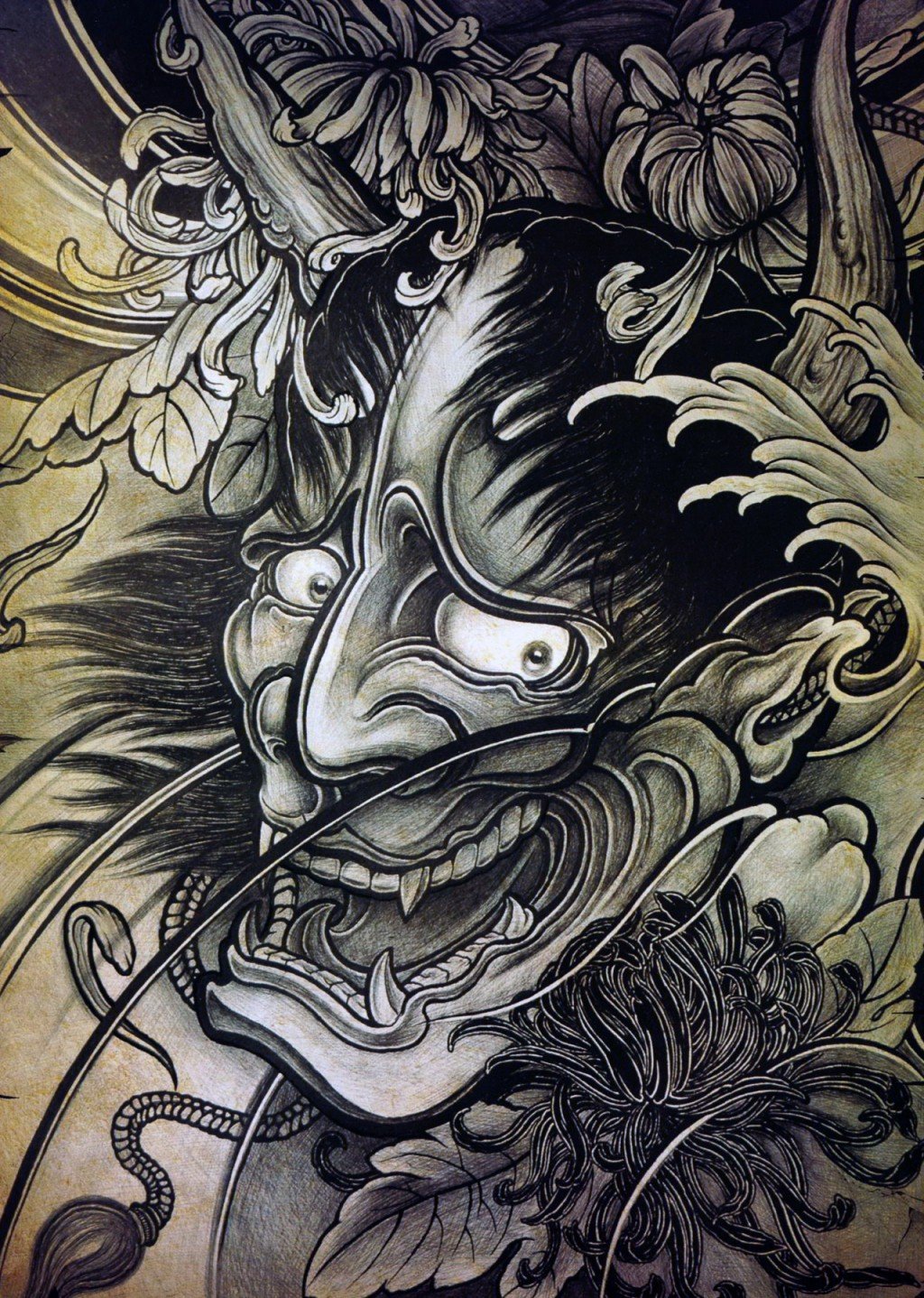
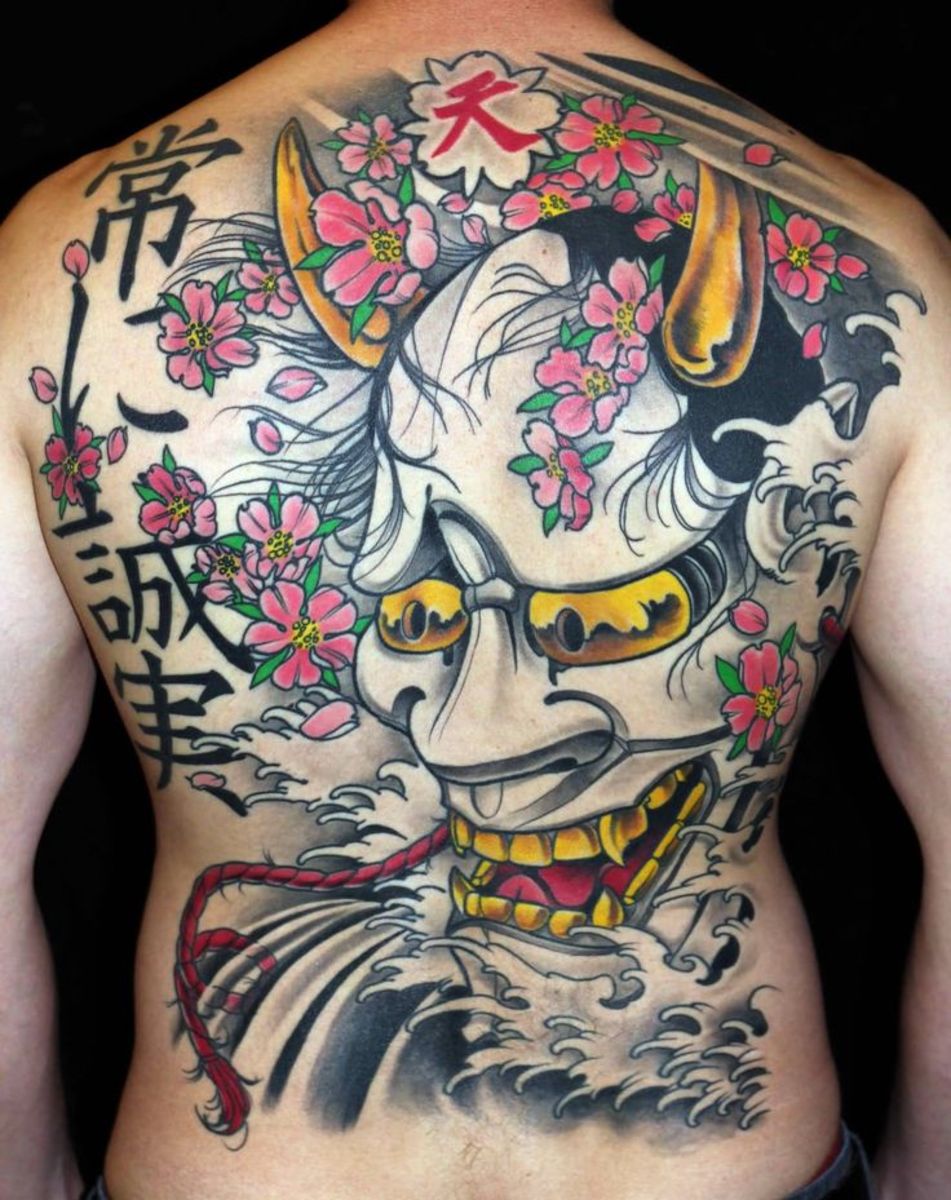
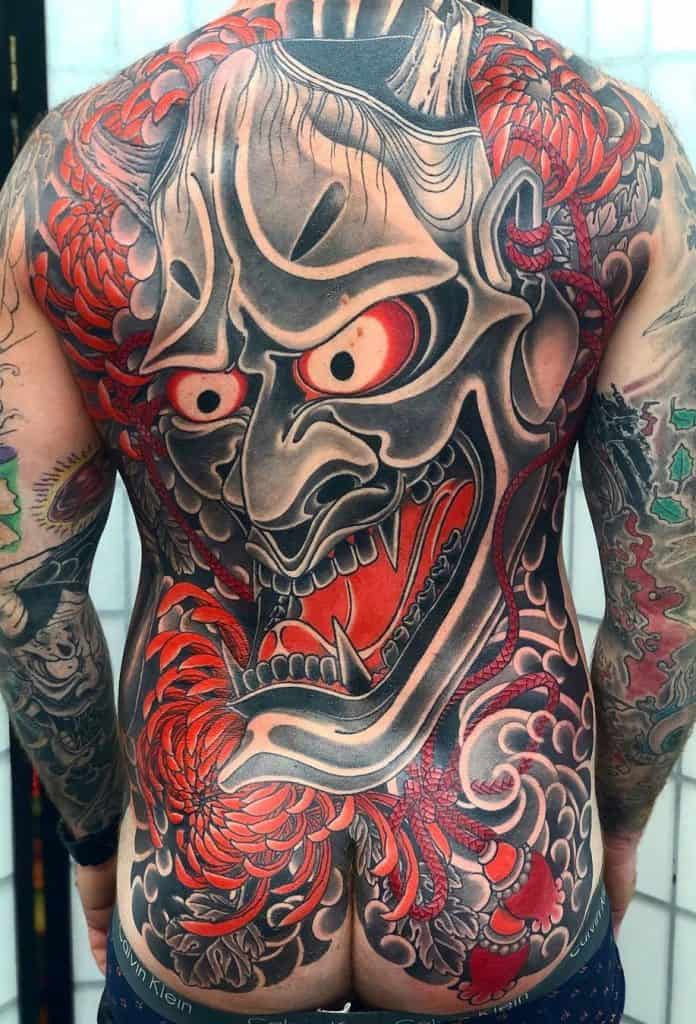
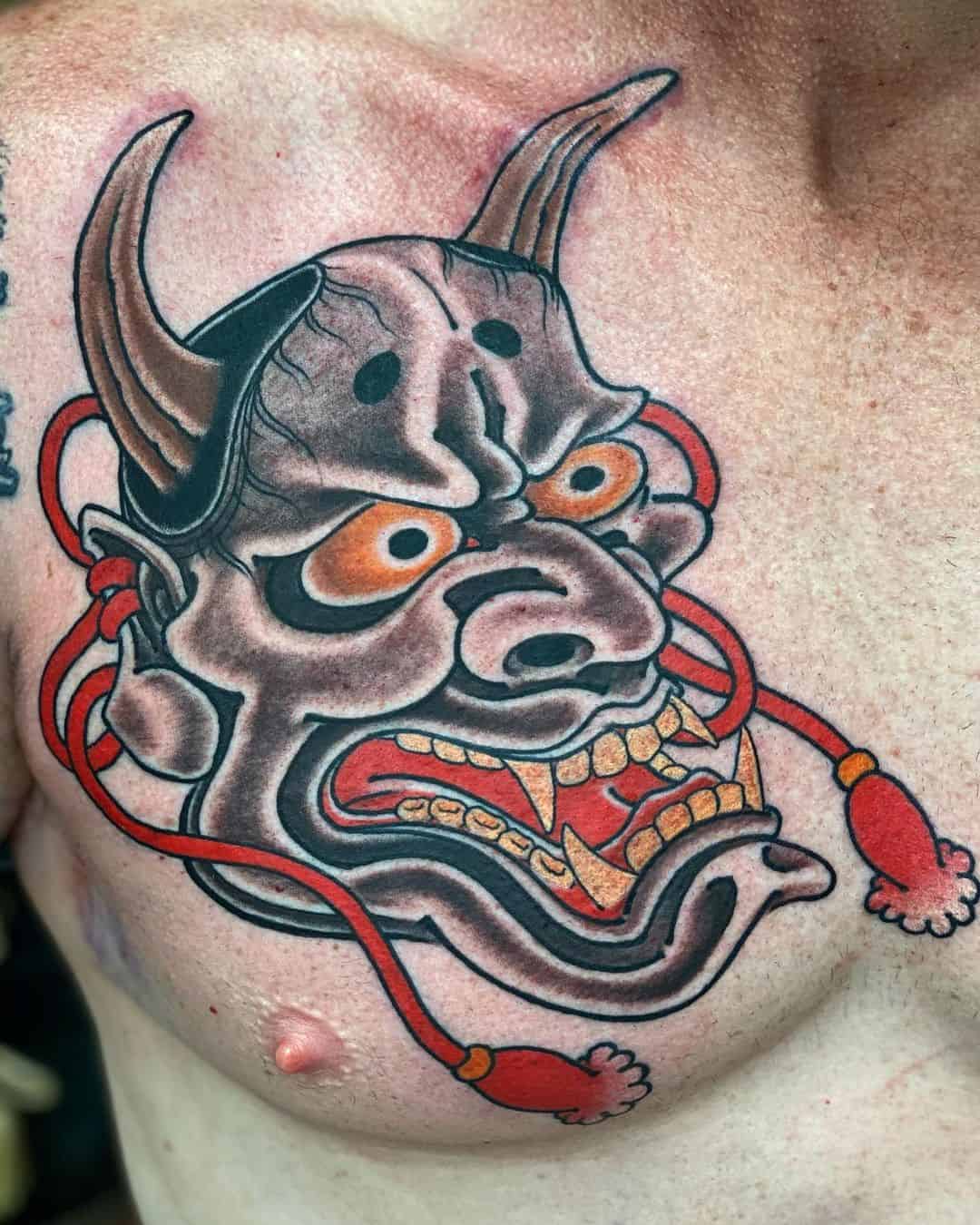
Hannya Tattoo Meaning - The tattoo is also very customizable with other elements from japanese folklore. Likewise, depending on the colors used, it symbolizes jealousy or anger. The japanese hannya mask tattoo represents jealousy, rage, and sorrow. The extremely vibrant colors depict and emphasize specific intense emotions you wish to. It can symbolize both negative emotions, such as anger and jealousy, and positive qualities, such as wisdom and luck. It looks great in black and grey as well as color, with endless possible color combinations. Web hannya mask tattoos have a rich history rooted in japanese traditional theater where the mask was used to represent a tormented female demon overtaken by jealousy and contempt. Tattoo artists skillfully capture the mask’s emotions and details, creating a captivating narrative on the canvas of the body. Web what is the meaning of a japanese hannya mask tattoo? Web the hannya mask tattoo holds deep symbolism and meaning in japanese culture. Web the hannya mask is not only threatening in appearance; This interpretation stems from the historic usage of hannya masks in japanese performance art, like the noh and kyogen japanese. Hannya masks were gendered as female and were traditionally found in japanese theatre. The japanese hannya mask tattoo represents jealousy, rage, and sorrow. Likewise, depending on the colors used, it symbolizes jealousy or anger. Here are some hannya tattoos rendered by the artists here at. The hannya mask tattoo is a symbol derived from japanese noh theater, representing a jealous female demon consumed by anger and sorrow. Web a hannya mask tattoo is not merely ink on skin; It is often associated with the transformation of a woman into a demon, representing jealousy and vengeance. The mask is characterized by its menacing expression, with bulging eyes, sharp fangs, and a demonic smirk. In this blog, we'll delve into the rich history and profound meaning behind hannya tattoos, exploring the intricate fusion of art, myth, and emotion that defines this iconic motif. Web the tattoo offers a beautiful way to appreciate japanese culture and folklore. In noh, the mask represents jealousy and anger, and is a female version of oni, or demon. The. Web the hannya mask tattoo holds deep symbolism and meaning in japanese culture. Here are some hannya tattoos rendered by the artists here at. The extremely vibrant colors depict and emphasize specific intense emotions you wish to. This design has deep roots in japanese culture and noh, and conveys strong, vengeful emotions. It can symbolize both negative emotions, such as. Web for those who appreciate tattoos, hannya's face represents vengeance, destructive passion or the alternation between rage and sadness. It can symbolize both negative emotions, such as anger and jealousy, and positive qualities, such as wisdom and luck. Web hannya tattoos are often associated with the japanese mafia, known as the yakuza. The meaning behind the real hannya mask can. In this blog, we'll delve into the rich history and profound meaning behind hannya tattoos, exploring the intricate fusion of art, myth, and emotion that defines this iconic motif. Web the hannya mask is not only threatening in appearance; Likewise, depending on the colors used, it symbolizes jealousy or anger. Web discover the captivating world of hannya mask tattoos with. In this blog, we'll delve into the rich history and profound meaning behind hannya tattoos, exploring the intricate fusion of art, myth, and emotion that defines this iconic motif. It can symbolize both negative emotions, such as anger and jealousy, and positive qualities, such as wisdom and luck. The history of hannya tattoos: The japanese hannya mask tattoo represents jealousy,. In noh, the mask represents jealousy and anger, and is a female version of oni, or demon. The hannya mask tattoo is a symbol derived from japanese noh theater, representing a jealous female demon consumed by anger and sorrow. Its meaning depends on the individual and the context. The meaning behind the mask can take on a variety of forms. Here are some hannya tattoos rendered by the artists here at. It is also melancholic in character, where the drooping eyebrows show sorrow and suffering mingled with the lust for revenge. Its meaning depends on the individual and the context. The meaning behind the real hannya mask can be depicted in different forms when formed into a tattoo. It signifies. Its meaning depends on the individual and the context. The hannya mask tattoo is a symbol derived from japanese noh theater, representing a jealous female demon consumed by anger and sorrow. Dive into the origins, symbolism, design variations, and cultural significance of this timeless art form in our comprehensive guide. Here are some hannya tattoos rendered by the artists here. Likewise, depending on the colors used, it symbolizes jealousy or anger. A member of the yakuza may use a hannya mask tattoo as a way of showing that they are relentless and. The meaning behind the mask can take on a variety of forms when portrayed by irezumi (japanese style tattoo) artists. In noh, the mask represents jealousy and anger,. It looks great in black and grey as well as color, with endless possible color combinations. They are known to symbolize different emotions, such. Web the tattoo offers a beautiful way to appreciate japanese culture and folklore. Web discover the captivating world of hannya mask tattoos with chronic ink tattoo. Web hannya tattoos are often associated with the japanese mafia,. Web what is the meaning of a japanese hannya mask tattoo? Dive into the origins, symbolism, design variations, and cultural significance of this timeless art form in our comprehensive guide. Web a hannya mask tattoo is neither inherently good nor bad; The tattoo features a demonic figure featuring the japanese art style. The mask is characterized by its menacing expression, with bulging eyes, sharp fangs, and a demonic smirk. It is also melancholic in character, where the drooping eyebrows show sorrow and suffering mingled with the lust for revenge. Here are some hannya tattoos rendered by the artists here at. The japanese hannya mask tattoo represents jealousy, rage, and sorrow. A member of the yakuza may use a hannya mask tattoo as a way of showing that they are relentless and. Hannya masks were gendered as female and were traditionally found in japanese theatre. Web discover the captivating world of hannya mask tattoos with chronic ink tattoo. Web hannya mask tattoos have a rich history rooted in japanese traditional theater where the mask was used to represent a tormented female demon overtaken by jealousy and contempt. Its meaning depends on the individual and the context. It signifies the complexity of human emotions, particularly the darker aspects such as jealousy, hatred, and vengeance. This interpretation stems from the historic usage of hannya masks in japanese performance art, like the noh and kyogen japanese. Web a hannya mask tattoo is not merely ink on skin;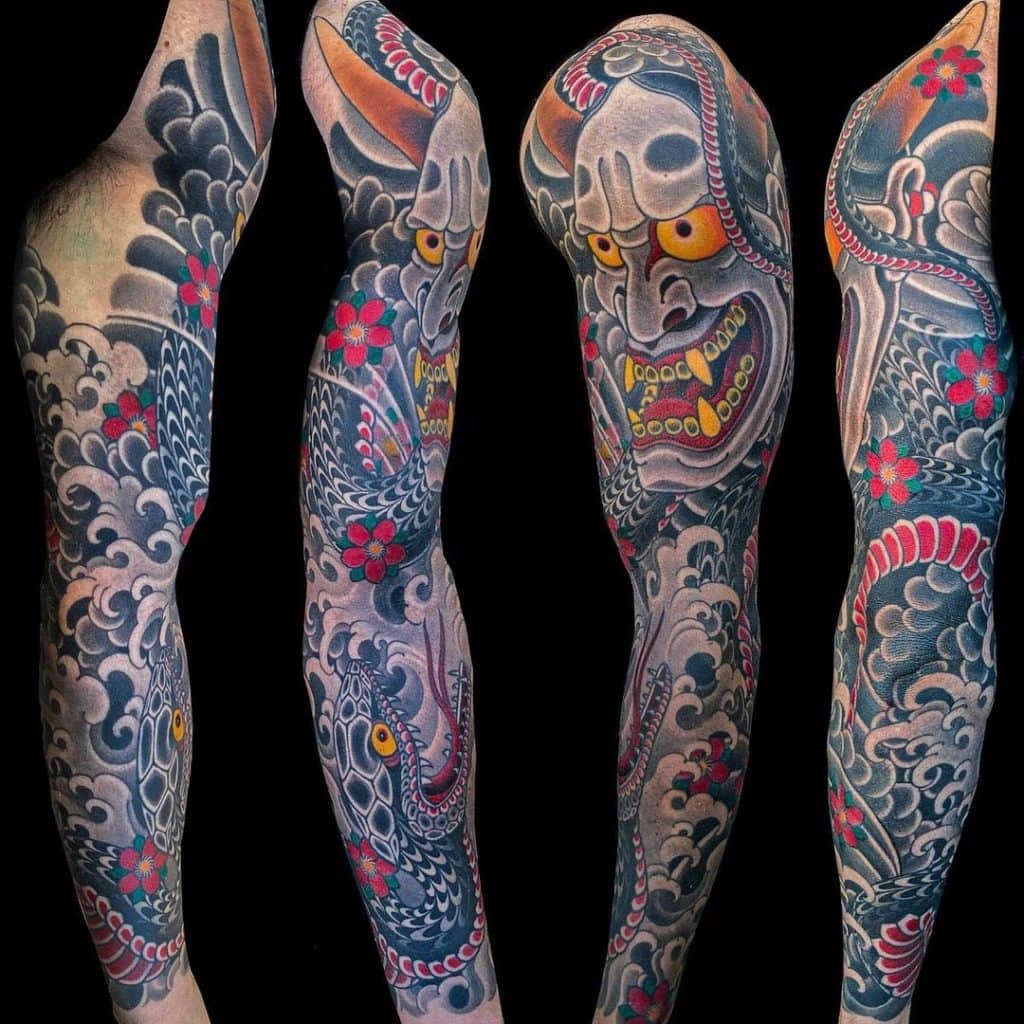
60+ Hannya Mask Tattoos History, Meanings & Tattoo Designs
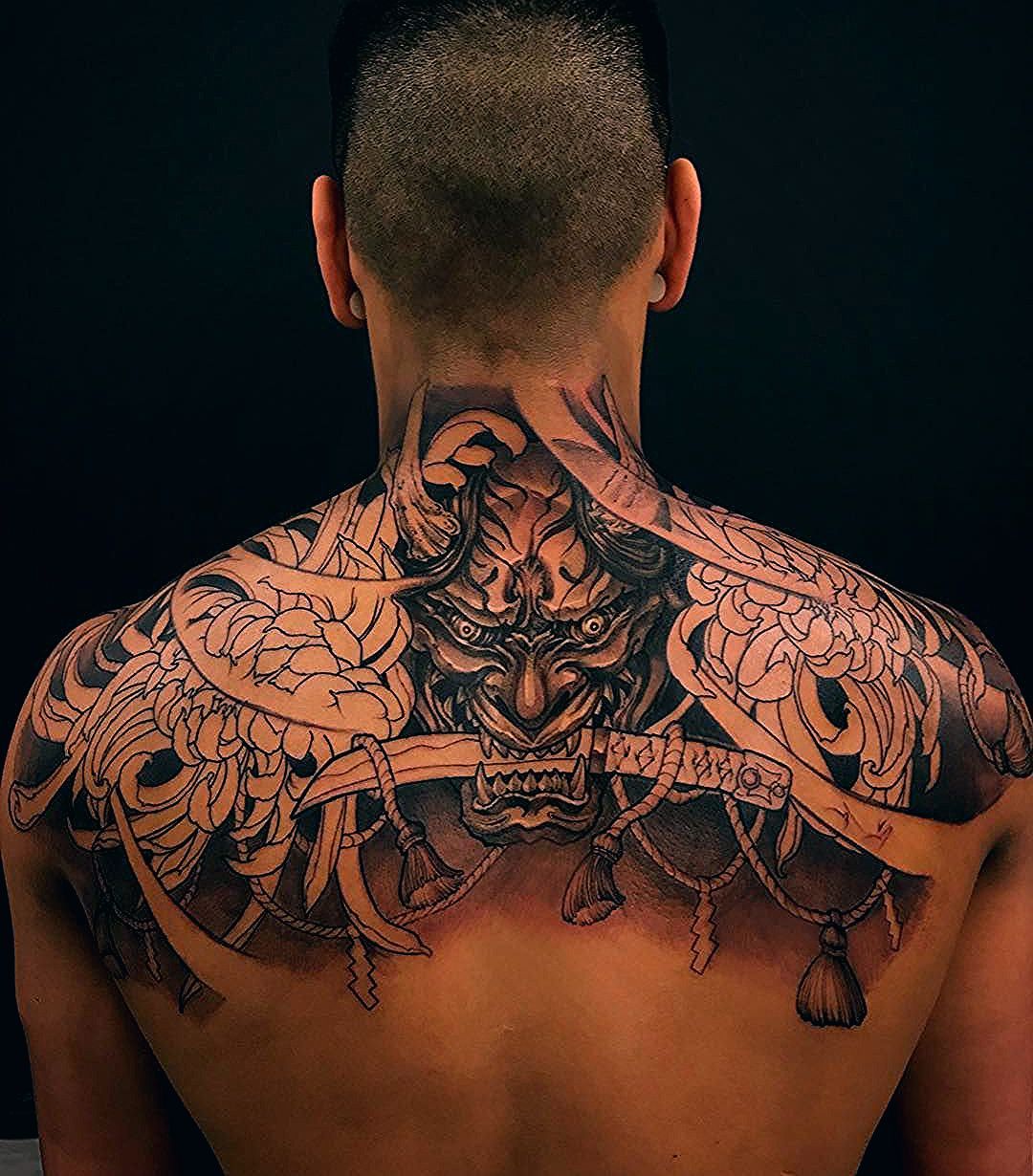
250+ Hannya Mask Tattoo Designs With Meaning (2021) Japanese Oni Demon
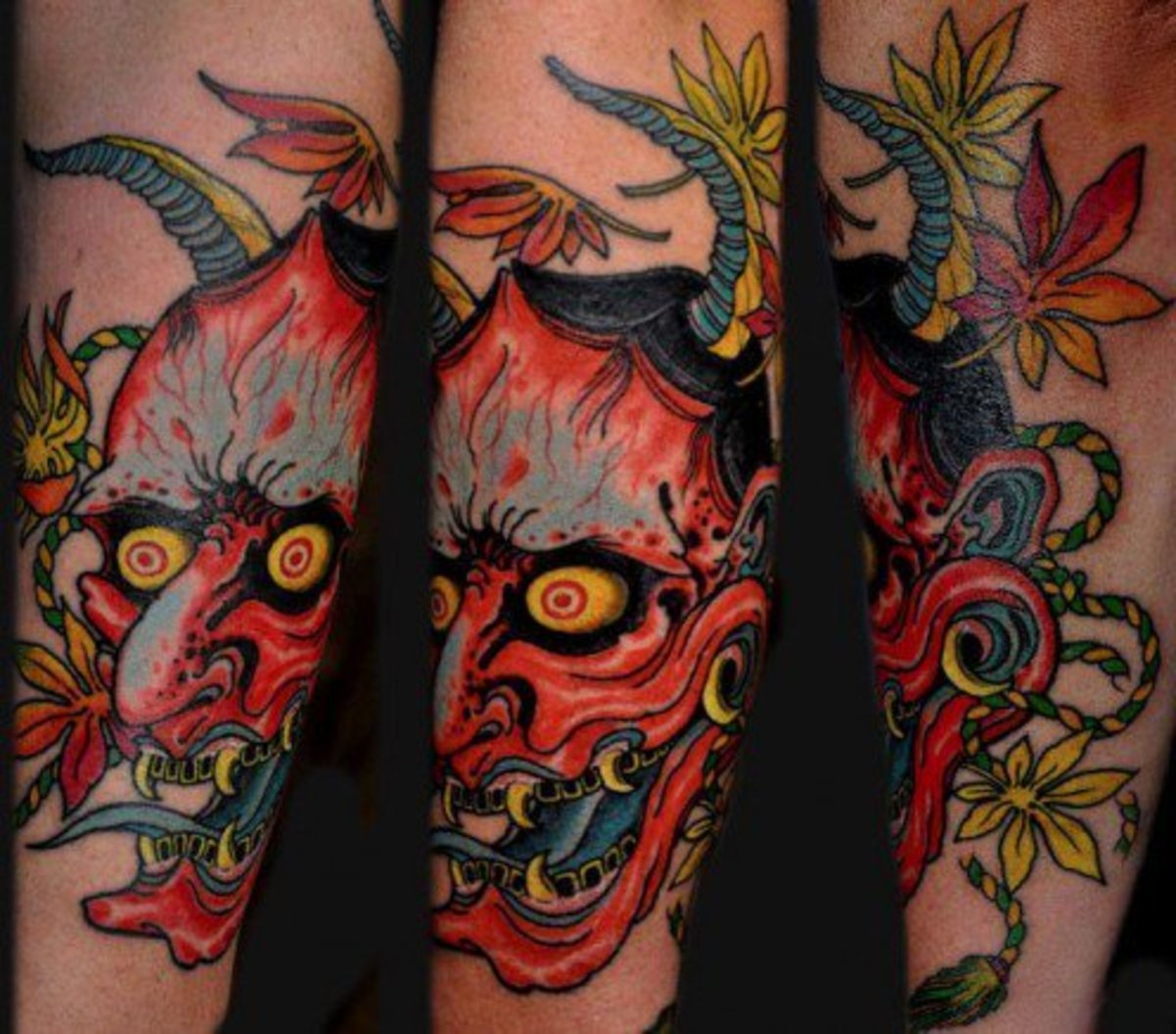
Japanese Hannya Tattoos Origins, Meanings & Ideas TatRing
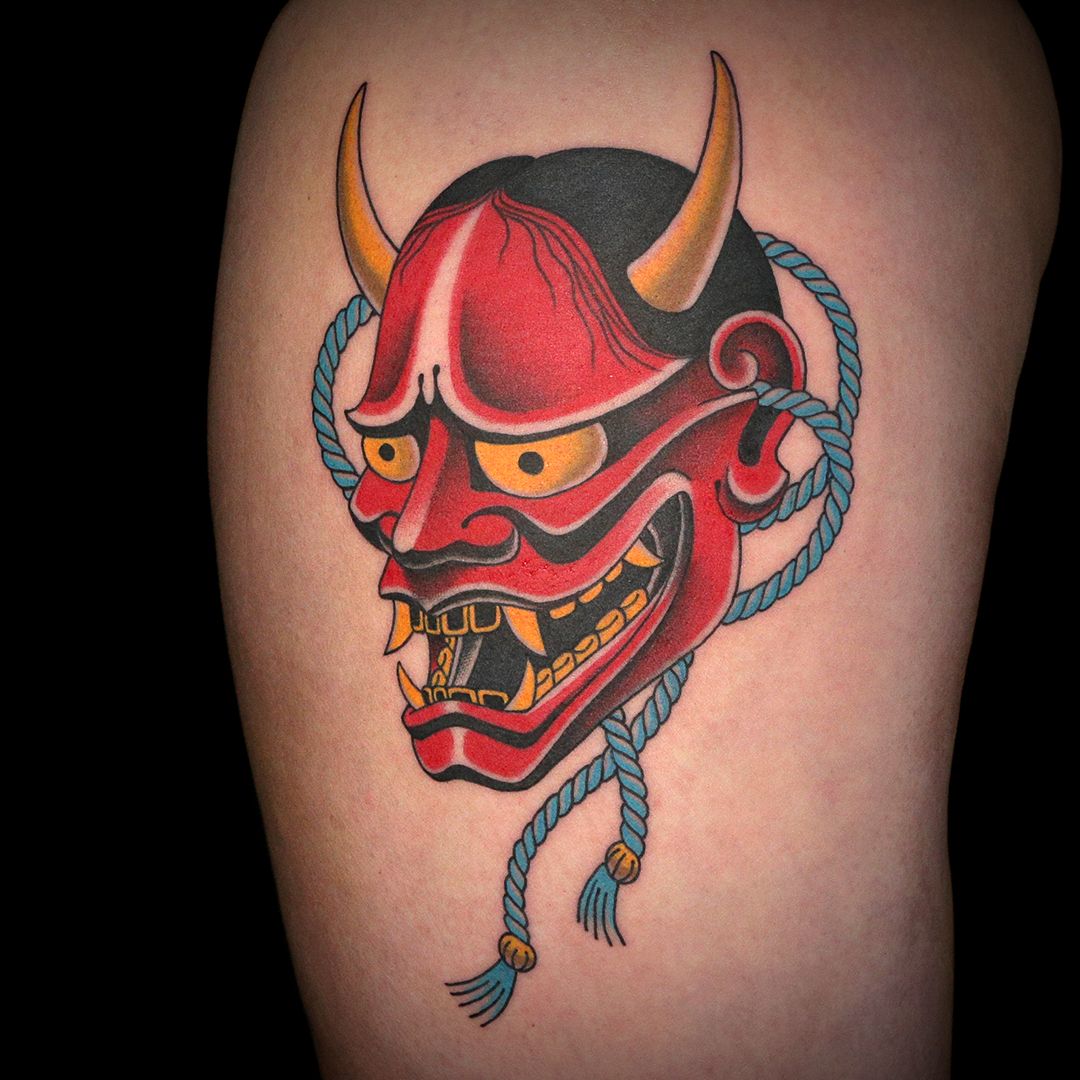
250+ Hannya Mask Tattoo Designs With Meaning (2021) Japanese Oni Demon
Japanese Hannya Tattoos Origins, Meanings & Ideas TatRing

Japanese Hannya Mask Tattoos Meaning & Designs • Tattoodo
Japanese Hannya Tattoos Origins, Meanings & Ideas TatRing
60+ Hannya Mask Tattoos History, Meanings & Tattoo Designs
60+ Hannya Mask Tattoos History, Meanings & Tattoo Designs
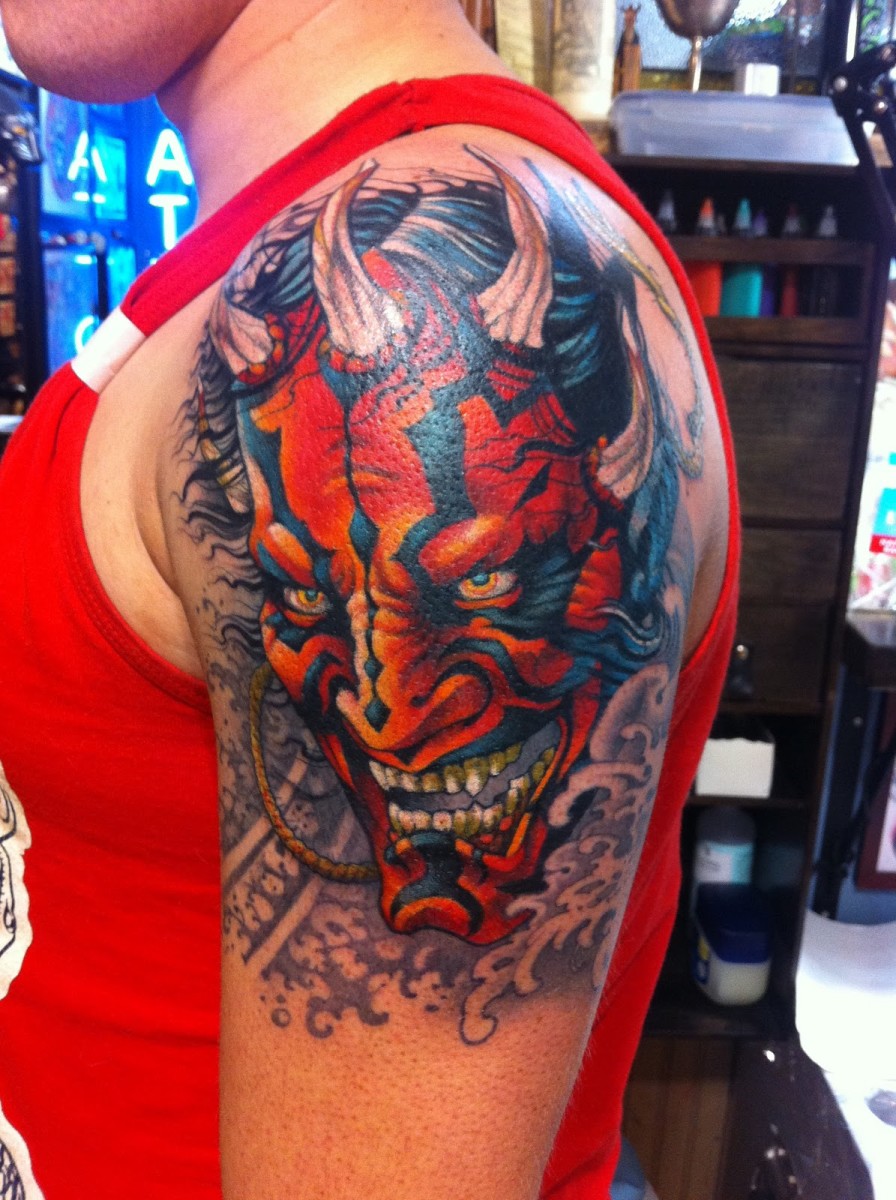
Japanese Hannya Tattoos Origins, Meanings & Ideas TatRing
Web The Hannya Mask Tattoo Holds Deep Symbolism And Meaning In Japanese Culture.
The Hannya Mask Tattoo Is A Symbol Derived From Japanese Noh Theater, Representing A Jealous Female Demon Consumed By Anger And Sorrow.
Find Out How This Tattoo Can Express Your Emotions, Past Experiences And Personal Style.
The Tattoo Is Also Very Customizable With Other Elements From Japanese Folklore.
Related Post: